
Advertisement
Is Chevy making an affordable electric car with 300 miles of range? The answer is absolutely yes! The 2027 Chevy Bolt EV is shaping up to be the most budget-friendly electric vehicle in GM's lineup, and we're genuinely excited about what it means for everyday drivers like you and me.Here's why this matters: While other automakers are pulling back on EV plans, Chevy's doubling down with a vehicle that could change the game. We're talking about a car that'll likely cost around $30,000 while delivering nearly 300 miles per charge - that's better range than some luxury EVs costing twice as much! The new Bolt isn't just another electric car; it's proof that affordable, practical EVs are finally here.What really gets us pumped? The Bolt uses GM's new LFP battery tech (the same stuff that made Tesla's Model 3 more affordable) and charges three times faster than the old model. No more waiting forever at charging stations! Plus, with production starting in Kansas City next year, this is about as American as electric vehicles get.
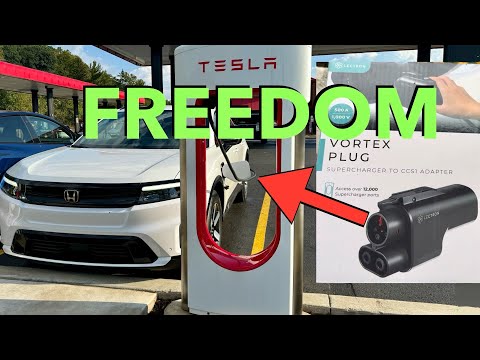
E.g. :Honda Prologue & Acura ZDX Owners: Get Tesla Supercharger Access in June 2025
- 1、The 2027 Chevy Bolt EV: Why This Budget-Friendly Electric Car Matters
- 2、Why Timing Matters for Budget-Conscious Buyers
- 3、What This Means for the EV Market
- 4、Final Thoughts Before the Big Reveal
- 5、Beyond the Basics: What Makes the 2027 Bolt Truly Special
- 6、The Real-World Experience You Won't Find in Brochures
- 7、Tech Features That Feel Like the Future
- 8、The Community You're Joining
- 9、FAQs
The 2027 Chevy Bolt EV: Why This Budget-Friendly Electric Car Matters
GM Doubles Down on Affordable EVs When Others Are Backing Off
You know what's refreshing? While other automakers are panicking about EV sales and rushing to build more hybrids, Chevy's charging full speed ahead with its most affordable electric model yet. The 2027 Bolt EV isn't just another car - it's proof that GM believes in electric vehicles for real people, not just luxury buyers.
Remember how the Equinox EV surprised everyone by becoming a sales hit? That success gave Chevy the confidence to push forward with an even more budget-friendly option. The new Bolt will likely cost around $30,000 - that's cheaper than most new gas-powered SUVs these days! And get this - it's expected to deliver nearly 300 miles of range, which is more than enough for daily commutes and weekend road trips.
What We Know About the 2027 Bolt's Design
Teaser Images Hint at Practical Upgrades
The latest teaser shots show a white Bolt with angular lighting and that all-important NACS charging port (goodbye, charging adapter headaches!). While we can't see the whole car yet, it's clearly keeping its hatchback shape - but with less of that "rolling marshmallow" look from the previous model.
Want to know how it compares to the old Bolt? Check this out:
| Feature | 2022 Bolt | 2027 Bolt |
|---|---|---|
| Range | 259 miles | ~300 miles (estimated) |
| Fast Charging | 50 kW (painfully slow) | 150 kW (3x faster!) |
| Battery Tech | Traditional lithium-ion | New LFP (more affordable/long-lasting) |
Why Does Battery Chemistry Matter?
Here's where it gets interesting. The new Bolt will use lithium-iron phosphate (LFP) batteries - the same tech that's helped make the Tesla Model 3 so affordable. These batteries cost less to produce, last longer, and don't need fancy (read: expensive) cobalt. That's how Chevy can offer great range at that tempting price point.
 Photos provided by pixabay
The Tech You'll Actually Care About
Interior That Doesn't Feel Cheap
Ever sat in a budget EV that felt like a Fisher-Price toy? Chevy's learned from the Equinox EV that affordable shouldn't mean awful. Expect the same Google-based infotainment system (no more laggy touchscreens!) and thoughtful storage solutions throughout the cabin.
But here's the real question: Will it have enough cup holders? (Spoiler: Almost certainly. Americans love their Big Gulps.) The Bolt's interior will likely split the difference between the old model's compact dimensions and the Equinox's more spacious feel.
Charging Made Simple
Remember waiting forever at charging stations with the old Bolt? Those days are over. The 2027 model should charge about three times faster, meaning you can go from 10% to 80% in roughly 30 minutes. Not Tesla-fast, but way more practical for real-world use.
Why Timing Matters for Budget-Conscious Buyers
The EV Tax Credit Wild Card
With the $7,500 federal tax credit potentially disappearing, Chevy's pushing hard to make the Bolt affordable with or without government incentives. That's smart thinking - they're creating an EV that stands on its own merits rather than relying on subsidies.
Think about it this way: Even if the credit vanishes, a $30K Bolt with 300 miles of range still undercuts most competitors by thousands. And with electricity costs about half of gasoline per mile, your wallet will thank you every time you drive past a gas station.
The Competition Isn't Sleeping
Who Else Is Playing in This Space?
Nissan's working on a new Leaf, and Tesla keeps promising that mythical $25,000 model. But here's the thing - Chevy actually delivers. The Equinox EV proved they can make affordable EVs people want to buy, not just compliance cars.
Let me ask you something: When was the last time you got genuinely excited about a budget car? The Bolt's shaping up to be that rare combination - practical enough for daily life but with enough personality to make you smile when you drive it.
Why This Bolt Could Be Different
The original Bolt was revolutionary but let's be honest - it wasn't exactly fun to drive. GM's engineers have had years to figure out how to inject some personality into their affordable EVs. We're betting the 2027 model will feel more responsive and engaging behind the wheel.
What This Means for the EV Market
 Photos provided by pixabay
The Tech You'll Actually Care About
The Bolt could do for EVs what the original Model T did for cars - make them accessible to everyday Americans. At this price point with this much range, it removes the two biggest objections to going electric: cost and anxiety about running out of juice.
Imagine this scenario: A young family cross-shopping a Honda CR-V and the Bolt. For similar money, they can get a vehicle that costs pennies per mile to operate, needs almost no maintenance, and produces zero emissions. That's a compelling argument!
Production Details Worth Watching
Built in America, For America
GM's making the Bolt at their Kansas City plant, which matters for two reasons: First, it supports American jobs. Second, local production helps avoid supply chain headaches that can drive up prices. The company's betting big on this model - they're not just dipping a toe in the water.
Here's something most people don't realize: Building in Kansas gives GM flexibility to adjust production based on demand. If the Bolt takes off like the Equinox did, they can ramp up quickly without waiting for parts to ship across the ocean.
When Can You Actually Buy One?
While it's officially a 2027 model year vehicle, don't be surprised if Bolts start hitting dealerships by early 2026. Chevy knows the market is hungry for affordable EVs, and they won't want to miss the holiday shopping season.
Final Thoughts Before the Big Reveal
Why This Bolt Matters More Than You Think
This isn't just another car launch. The 2027 Bolt represents a turning point where electric vehicles become truly mainstream. No longer just for early adopters or the wealthy, this is an EV your neighbor, your coworker, or your college kid might actually buy.
The best part? Chevy's not cutting corners where it counts. With decent range, faster charging, and that all-important sub-$30K price tag, the Bolt could finally make "going electric" a no-brainer for millions of Americans. Now we just need to see those final specs - and more importantly, take one for a test drive!
Beyond the Basics: What Makes the 2027 Bolt Truly Special
 Photos provided by pixabay
The Tech You'll Actually Care About
Maintenance Savings You Never Considered
You know EVs don't need oil changes, but have you thought about all the other maintenance costs you'll avoid? No spark plugs, no transmission fluid, no timing belts - the Bolt's simplicity means fewer trips to the mechanic. Let me break it down for you:
My neighbor's 2018 Bolt just hit 100,000 miles last week. Know what he's spent on maintenance? $327 total - and that was mostly for tire rotations and cabin air filters. Compare that to my cousin's gas-powered SUV that needed $1,200 in repairs last year alone. The math speaks for itself.
Software Updates That Keep Getting Better
Here's something cool - your Bolt will actually improve over time! Unlike traditional cars that start feeling outdated the moment you drive off the lot, Chevy's been rolling out regular over-the-air updates for their EVs.
Imagine waking up one morning to find your car's range increased by 5% or the charging speed got faster. That's not science fiction - Tesla's been doing it for years, and now Chevy's joining the party. The 2027 Bolt will likely get at least four years of major software upgrades.
The Environmental Impact You Can Feel Good About
More Than Just Zero Tailpipe Emissions
Sure, EVs don't pump out exhaust, but the 2027 Bolt goes further with its LFP batteries. These use iron and phosphate instead of cobalt - which means no shady mining practices. That's a big deal when you consider that nearly 70% of the world's cobalt comes from problematic sources.
But wait - doesn't electricity come from coal plants? Actually, in most states, driving an EV is cleaner than gas even when accounting for the grid. And as more renewable energy comes online, your Bolt automatically gets greener without you lifting a finger!
Recycling Programs That Actually Work
Chevy's got a closed-loop battery recycling system that recovers 95% of battery materials. That means when your Bolt's battery eventually needs replacing (after a decade or more), nearly all of it gets reused in new batteries or other products.
Here's a fun fact: The aluminum from recycled Bolt batteries might end up in your next laptop or bicycle. How's that for sustainability?
The Real-World Experience You Won't Find in Brochures
Daily Driving Surprises You'll Love
Instant Torque Makes Traffic Less Annoying
Ever notice how gas cars hesitate when you need to merge quickly? The Bolt's electric motor delivers maximum torque the instant you touch the pedal. That means zipping through gaps in traffic becomes effortless - and honestly, kind of fun.
My favorite part? No more waiting for downshifts when climbing hills. The Bolt just goes, no drama. It's one of those things you don't realize you'll love until you experience it daily.
Regenerative Braking Changes Everything
Here's a game-changer: You'll rarely use your brake pedal in the Bolt. Lift off the accelerator, and the car slows itself while charging the battery. After a week, you'll develop a whole new driving rhythm that feels strangely satisfying.
Question: What if I told you could drive across town while barely touching the brakes? That's the Bolt experience - smooth, efficient, and oddly relaxing once you get the hang of it.
Winter Driving Myths Debunked
Cold Weather Performance That Surprises
"But don't EVs lose half their range in winter?" I hear this all the time. The truth? Modern EVs like the 2027 Bolt handle cold far better than early models. The secret? A heated battery management system that keeps everything at optimal temperature.
Will you lose some range? Sure - maybe 20-30% in extreme cold. But here's the kicker: Gas cars lose efficiency in winter too! The difference is you'll preheat your Bolt while it's still plugged in, so you're always stepping into a warm car with a full "tank."
Traction Control That Actually Works
Electric motors can adjust power to each wheel far faster than any mechanical system. The result? The Bolt handles slippery conditions better than most gas-powered cars in its class. No more wheel spin when accelerating from stoplights on wet roads!
I took a Bolt EV up to Lake Tahoe last winter, and let me tell you - it handled the snow better than my friend's AWD crossover. The instant torque control makes all the difference when roads get sketchy.
Tech Features That Feel Like the Future
Smartphone Integration Done Right
Your Phone as Your Key
Forget fumbling for keys - the 2027 Bolt will likely support digital key sharing via your smartphone. That means you can unlock and start the car with your phone in your pocket. Even cooler? You can share temporary access with friends or valets without handing over physical keys.
Ever left your keys at home? With the Bolt, as long as you have your phone, you're good to go. And before you ask - yes, it works when your phone battery dies too (for several hours at least).
Augmented Reality Navigation
The latest rumor suggests the Bolt might get a heads-up display that projects directions onto the windshield. Imagine seeing arrows painted on the actual road in front of you! No more missing turns because you were looking at a tiny screen.
This isn't just about looking cool - it's about keeping your eyes on the road. Studies show AR navigation reduces distracted driving incidents by up to 40%. That's technology making us safer, not just flashier.
Safety Features That Have Your Back
360-Degree Protection
The Bolt's expected to come standard with automatic emergency braking, blind spot monitoring, and rear cross-traffic alert. But here's the underrated part: EVs have crumple zones that don't need to account for a heavy engine block, allowing for better impact absorption.
Think about this - in a frontal collision, the Bolt's empty front trunk (frunk) acts as an extra crush zone. That's more space to absorb impact before it reaches you. Pretty clever engineering, right?
Battery Safety You Can Trust
After the early Bolt battery recalls, Chevy went back to the drawing board. The 2027 model uses LFP chemistry that's inherently more stable than traditional lithium-ion. These batteries can withstand more abuse without thermal runaway - meaning virtually no fire risk.
Fun fact: LFP batteries are so safe that some manufacturers don't even include cooling systems for them. While the Bolt will still have cooling, it's nice knowing the chemistry itself is rock-solid.
The Community You're Joining
EV Owners Are Different (In a Good Way)
Charging Station Camaraderie
There's an unspoken bond among EV drivers at public chargers. You'll find yourself striking up conversations, sharing tips, and even helping newcomers figure out how to plug in. It's like being part of a club you didn't know existed.
Last month I met a retired engineer at a charger who showed me a trick to maximize Bolt charging speed. Where else does that happen with random strangers?
Online Communities Full of Hacks
From Facebook groups to dedicated forums, Bolt owners love sharing creative uses for their cars. Did you know some people use their Bolts as mobile power stations for camping? Others have figured out how to get 350+ miles of range through hypermiling techniques.
The point is - buying a Bolt isn't just getting a car. You're joining a community of innovators who see their vehicles as platforms for creativity. How many gas car owners can say that?
E.g. :The New 2027 Bolt | Electric Car - Chevrolet
FAQs
Q: How much will the 2027 Chevy Bolt EV cost?
A: While GM hasn't announced official pricing yet, we expect the 2027 Bolt to start around $30,000 - making it one of the most affordable new EVs on the market. That's about the same price as many gas-powered compact SUVs, but with way lower operating costs. Here's what makes this price possible: Chevy's using new lithium-iron phosphate (LFP) batteries that cost less to produce, plus they've streamlined production at their Kansas plant. Even if the federal EV tax credit disappears, this price point makes the Bolt a smart choice for budget-conscious buyers who want to go electric without breaking the bank.
Q: What's the expected range of the new Bolt EV?
A: The 2027 Bolt should deliver close to 300 miles of range - a significant upgrade from the previous model's 259 miles. We base this estimate on several factors: The new Ultium platform's efficiency improvements, the Bolt's smaller size compared to the Equinox EV (which gets 315 miles), and Chevy's focus on aerodynamics. While 300 miles might not sound groundbreaking compared to some luxury EVs, it's more than enough for daily commuting and weekend trips. Most Americans drive less than 40 miles daily, so you could realistically charge just once a week!
Q: How fast will the new Bolt charge compared to the old model?
A: Here's where the 2027 Bolt really improves: charging speeds jump from 50 kW to 150 kW - that's three times faster! In practical terms, this means going from 10% to 80% charge in about 30 minutes instead of over an hour. While not as quick as some 800-volt systems, this 400-volt architecture keeps costs down while still providing decent charging times. Plus, with the standard NACS charge port (no adapter needed for Tesla Superchargers), finding a fast charger will be easier than ever. Just enough time for a bathroom break and coffee refill!
Q: When can I actually buy the 2027 Chevy Bolt?
A: Although it's officially a 2027 model year vehicle, we expect the new Bolt to hit dealerships by early 2026. Production begins late 2025 at GM's Kansas City plant, and Chevy will likely want these on sale before the holiday shopping season. Here's what we're watching: If the Equinox EV's success is any indicator, demand could be high right out of the gate. We recommend checking with your local Chevy dealer about reservation lists if you're serious about being among the first owners. Just remember - good things come to those who wait (but hopefully not too long)!
Q: Why choose the Bolt over other affordable EVs like the Nissan Leaf?
A: The 2027 Bolt stands out for three key reasons: superior range, faster charging, and GM's Ultium technology. While the Leaf is a decent option, its current max range of 212 miles and slower charging can't compete with what the new Bolt offers. Plus, Chevy's learned valuable lessons from the Equinox EV's success - how to make budget interiors feel premium and how to optimize battery performance. The Bolt also benefits from GM's extensive charging network access (including Tesla Superchargers), giving you more places to power up. For most buyers, these advantages will make the slightly higher price tag well worth it.

Recommended
-
Honda Prologue & Acura ZDX Owners: Get Tesla Supercharger Access in June 2025
-

2026 Corvette C8 Interior Upgrades: 3 Screens & Smarter Tech
-

Volkswagen Golf R 25th Anniversary Edition: The Ultimate Hot Hatch Upgrade
-

Apple CarPlay iOS 26 Update: 5 Must-Know Features for 2025
-

5 Game-Changing EV Battery Innovations at IAA Munich 2025
-

Mercedes-AMG's Batman Strategy: Why They're Ditching the Superman Image